
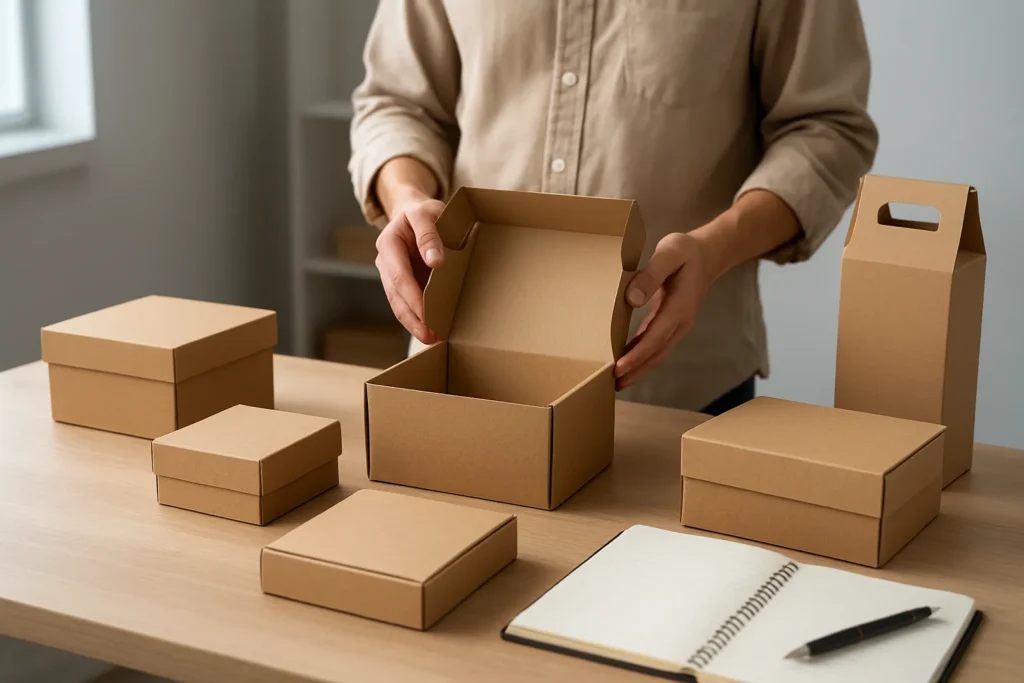
A Beginner’s Guide to Custom Packaging Boxes for Your Business
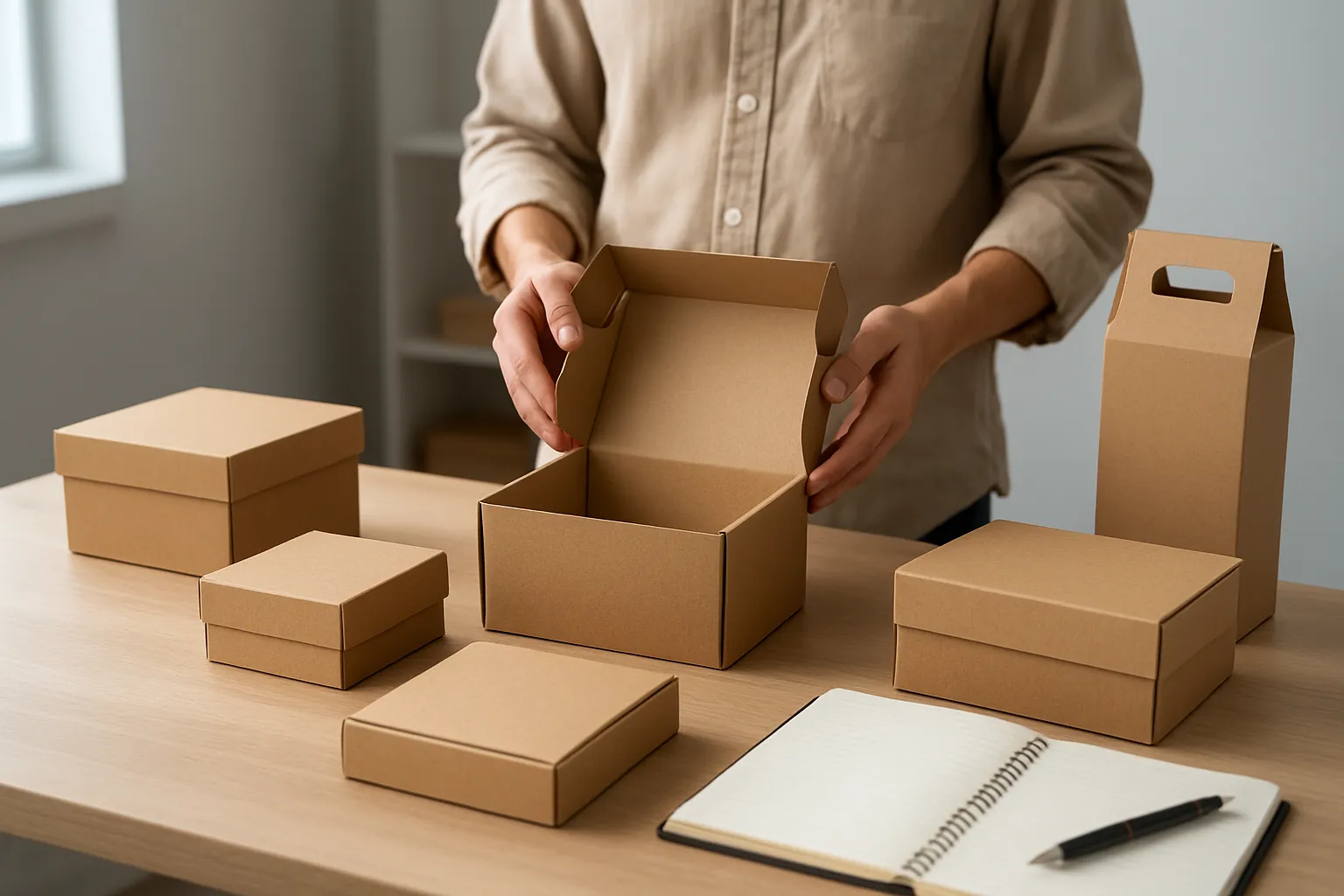
Effective packaging is crucial for any business. Custom packaging boxes not only protect your items but also enhance brand visibility and customer experience. Choosing the right packaging can significantly impact sales and customer satisfaction.
Steps to Implement Custom Packaging Boxes
- Define Product Requirements: Identify dimensions, weight, and fragility to ensure protection and aesthetic appeal.
- Select Materials: Choose materials that reflect your brand values. Eco-friendly options resonate with environmentally-conscious consumers, while corrugated cardboard offers durability for heavier products.
- Design Elements: Consider size, colors, and branding. Your packaging should align with your brand identity, whether vibrant for retail or minimalist for sophistication.
- Choose a Reliable Supplier: Research vendors, read reviews, and request samples to assess quality. A dependable partner ensures timely delivery and adherence to specifications.
Comparing Different Types of Custom Packaging Boxes
Evaluate the pros and cons of various materials:
1. Cardboard Boxes Pros: Cost-effective, lightweight, easy to customize. Cons: Less durable for heavy items; moisture can weaken them.
2. Rigid Boxes Pros: Strong, premium feel; ideal for luxury products. Cons: Higher cost; heavier, increasing shipping costs.
3. Eco-Friendly Materials Pros: Enhances brand image; appeals to eco-conscious consumers. Cons: Availability and cost may be limiting; durability can vary.
Comparison Chart
| Type | Durability | Cost | Environmental Impact |
|---|---|---|---|
| Cardboard | Moderate | Low | Moderate |
| Rigid | High | High | Low |
| Eco-Friendly | Variable | Moderate | High |
Common Mistakes to Avoid with Custom Packaging
New businesses often make mistakes that compromise packaging effectiveness:
- Neglecting Target Audience Preferences: Research your audience’s values to inform design choices. Using non-recyclable packaging for eco-friendly products can alienate customers.
- Ignoring Shipping Requirements: Ensure your packaging meets carrier guidelines on dimensions and weight to avoid extra fees or product damage.
- Skipping Durability Tests: Conduct tests on prototypes to ensure they withstand transportation. Seek feedback from logistics partners to refine material choices and design.
Final Thoughts on Custom Packaging Solutions
Effective packaging enhances customer experience and builds brand identity. To start:
- Identify Your Brand Message: Align packaging with your brand identity.
- Assess Product Needs: Analyze specific packaging requirements based on product type.
- Choose the Right Materials: Research options that resonate with your target market.
- Design with Purpose: Collaborate with a designer for an appealing aesthetic.
- Test and Iterate: Gather feedback on prototypes to refine designs.
Avoid common mistakes like neglecting user experience and underestimating shipping costs. By focusing on these areas, you can create effective custom packaging that enhances your brand.
Frequently Asked Questions
What factors should I consider when designing custom packaging boxes?
Consider product size, weight, fragility, brand identity, and customer preferences.
How can I ensure my custom packaging is eco-friendly?
Use recyclable materials and sustainable practices in design and production.
What is the average cost of custom packaging boxes?
Costs vary based on materials, size, and design complexity. Consult suppliers for quotes.
How long does it take to get custom packaging boxes made?
Production time ranges from a few days to several weeks, depending on the supplier and order volume.
Can I order a small quantity of custom packaging boxes?
Yes, many suppliers offer low minimum order quantities, but pricing may vary.