
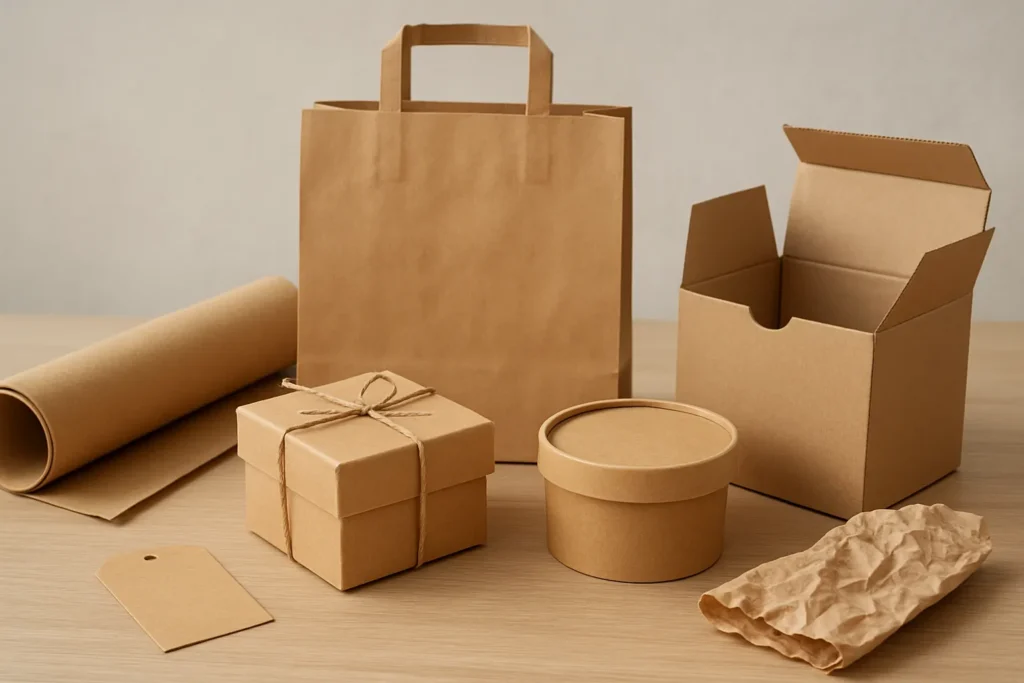
Eco-Friendly Packaging Solutions for E-commerce Gift Packaging
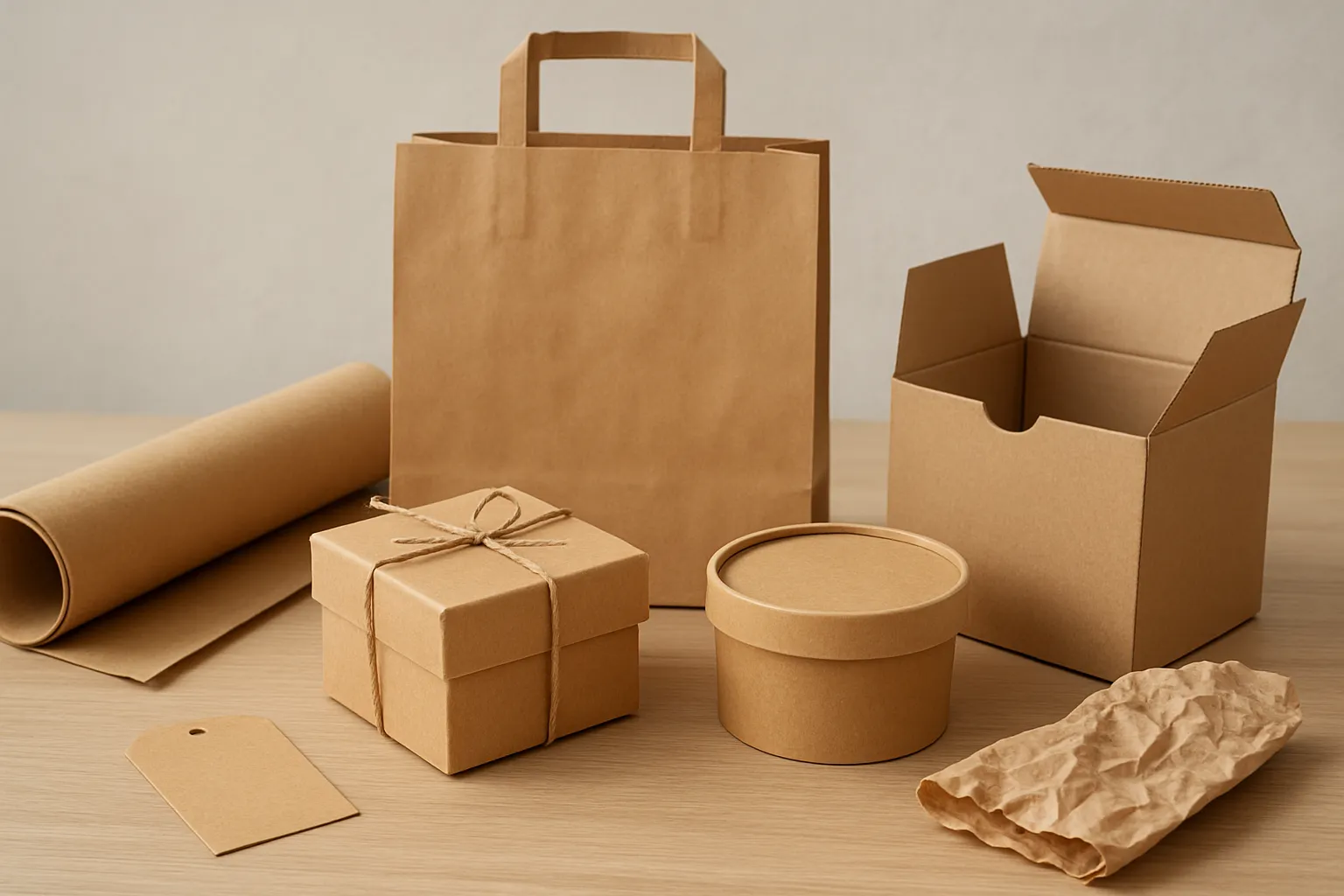
In today’s landscape, sustainability is more than just a buzzword; it has become a pivotal concern for businesses, especially within the e-commerce sector. As online shopping surges, the environmental toll of packaging waste is becoming increasingly apparent. Consumers are actively seeking eco-friendly packaging options that resonate with their values, making it essential for e-commerce businesses to embrace sustainable practices. This article delves into various sustainable packaging solutions for custom gift packaging in e-commerce, underscoring the importance of eco-friendliness and the advantages of adopting greener alternatives.
The Significance of Sustainability in E-commerce
The rise of e-commerce has inevitably led to a dramatic increase in packaging waste. Traditional packaging materials often contribute to environmental degradation, driving consumers to prefer brands that prioritize sustainability. By adopting eco-friendly packaging options, businesses not only decrease their environmental footprint but also enhance their brand image, draw in environmentally conscious consumers, and comply with regulatory standards.
Exploring Eco-Friendly Packaging Options
Eco-friendly packaging encompasses a wide array of materials and solutions aimed at minimizing environmental impact. From biodegradable to recyclable and compostable options, businesses have numerous alternatives for custom gift packaging. These sustainable solutions not only fulfill their functional roles but also resonate with consumers seeking responsible purchasing choices.
Types of Eco-Friendly Packaging Materials
Biodegradable Materials
Biodegradable packaging materials naturally break down over time, alleviating the burden of waste in landfills. Common options include plant-based plastics, paper, and cardboard. In my experience, these materials can decompose within months, making them an excellent choice for businesses aiming to lessen their environmental impact.
Recyclable Packaging Solutions
Recyclable packaging is designed for reuse and repurposing, thereby reducing the demand for new materials. This category includes glass, metal, and certain plastics and paper types. By opting for recyclable packaging, e-commerce businesses can encourage consumers to engage in recycling initiatives, promoting a circular economy.
Compostable Options
Compostable packaging is intended to break down into nutrient-rich compost when disposed of properly. Typically crafted from organic materials like corn starch or sugarcane, compostable options are ideal for businesses wishing to offer a sustainable solution that positively contributes to the environment.
Custom Gift Packaging Considerations
Design Flexibility and Customization
One of the standout benefits of eco-friendly packaging is the ability to tailor designs that reflect a brand’s identity. Companies can create distinctive packaging that not only safeguards products but also elevates the unboxing experience. Customization options may include printed logos, vibrant colors, and unique shapes—all while employing sustainable materials.
Branding Opportunities with Eco-Friendly Packaging
Eco-friendly packaging presents a compelling branding opportunity. By demonstrating a commitment to sustainability, businesses can distinguish themselves in a crowded marketplace. Packaging that conveys eco-friendly values can forge stronger emotional connections with consumers, fostering loyalty and repeat purchases.
Cost Implications of Custom Solutions
While the initial costs of eco-friendly packaging may be higher than traditional materials, the long-term benefits often outweigh these expenses. I believe many businesses discover that investing in sustainable packaging yields returns through enhanced customer loyalty, improved brand perception, and potential savings from reduced waste disposal fees.
Use Cases for Eco-Friendly Packaging in E-commerce
Successful Brands Utilizing Sustainable Packaging
Many brands have successfully integrated eco-friendly packaging into their operations. Notable examples include Uncommon Goods and Lush, both of which have made significant progress in utilizing sustainable materials, appealing to conscious consumers while setting industry benchmarks.
Consumer Preferences and Trends
Consumer preferences are increasingly leaning towards sustainability, with research showing that a substantial percentage of shoppers favor brands that emphasize eco-friendly practices. This trend is especially marked among younger demographics, who are more inclined to support businesses that align with their environmental values.
Impact on Customer Loyalty and Retention
Implementing eco-friendly packaging can greatly enhance customer loyalty. When consumers perceive that a brand shares their values, they are more likely to make repeat purchases. Sustainable packaging can also lead to positive word-of-mouth marketing, further enhancing brand visibility and reputation.
Comparing Eco-Friendly Packaging Options
Performance vs. Traditional Packaging
When evaluating eco-friendly packaging options against traditional materials, performance remains a vital factor. Many sustainable materials provide comparable durability and protection for products, ensuring safe delivery. Businesses can confidently transition without sacrificing quality.
Cost Analysis of Eco-Friendly Materials
Although the initial outlay for eco-friendly packaging may be higher, a thorough cost analysis can uncover potential savings in waste disposal and increased sales from environmentally aware consumers. Companies should consider the long-term financial benefits of adopting sustainable practices.
Environmental Impact Assessment
Conducting an environmental impact assessment can aid businesses in understanding the advantages of shifting to eco-friendly packaging. By analyzing factors like carbon footprint, resource consumption, and waste generation, companies can make informed decisions that align with their sustainability objectives.
Sourcing Eco-Friendly Packaging Suppliers
Finding Reliable Suppliers
Identifying trustworthy suppliers of eco-friendly packaging is crucial for businesses aiming to transition smoothly. Conducting thorough research to find suppliers with a solid sustainability track record is imperative.
Certifications to Look For
When sourcing eco-friendly packaging, businesses should seek certifications indicating sustainable practices, such as FSC (Forest Stewardship Council) certification for paper products or compostability certifications for biodegradable materials. These certifications provide assurance that the packaging meets established environmental standards.
Evaluating Supplier Sustainability Practices
Beyond certifications, it’s crucial to assess suppliers’ overall sustainability practices, including their sourcing methods, production processes, and commitment to waste reduction. Partnering with suppliers who share a commitment to sustainability can enhance a brand’s eco-friendly packaging strategy.
Implementation Strategies for E-commerce Businesses
Steps to Transition to Eco-Friendly Packaging
Transitioning to eco-friendly packaging necessitates a strategic approach. Businesses should start by evaluating their current packaging materials, pinpointing areas for improvement, and exploring suitable eco-friendly alternatives. Developing a timeline and budget for this transition can significantly streamline the process.
Employee Training and Awareness
Training employees is vital for successful implementation. Staff should be educated on the benefits of eco-friendly packaging and trained on how to effectively handle and promote these materials. Fostering a culture of sustainability within the organization can further facilitate the transition.
Measuring Success and Customer Feedback
To evaluate the effectiveness of eco-friendly packaging, businesses should establish metrics for success. Gathering customer feedback can yield valuable insights into consumer perceptions and preferences, enabling companies to continually refine their packaging strategies.
Frequently Asked Questions
What is Eco-Friendly Packaging?
Eco-friendly packaging refers to materials and solutions designed to minimize environmental impact, including biodegradable, recyclable, and compostable options.
How Does Eco-Friendly Packaging Affect Shipping?
Eco-friendly packaging can be both lightweight and durable, often leading to reduced shipping costs. Moreover, it can enhance a brand’s reputation, attracting more customers.
Are Eco-Friendly Options More Expensive?
While eco-friendly packaging may entail higher initial costs, the long-term benefits, such as increased customer loyalty and lower waste disposal fees, can render it a cost-effective choice.
Conclusion
Embracing eco-friendly packaging options for custom gift packaging in e-commerce is not merely a trend; it represents a crucial shift towards sustainability. By comprehending the variety of materials available, the merits of customization, and the significance of sourcing trustworthy suppliers, businesses can effectively transition to greener practices. As consumer preferences evolve, adopting eco-friendly packaging not only bolsters brand image but also positively impacts the environment, paving the way for a more sustainable future in e-commerce.