
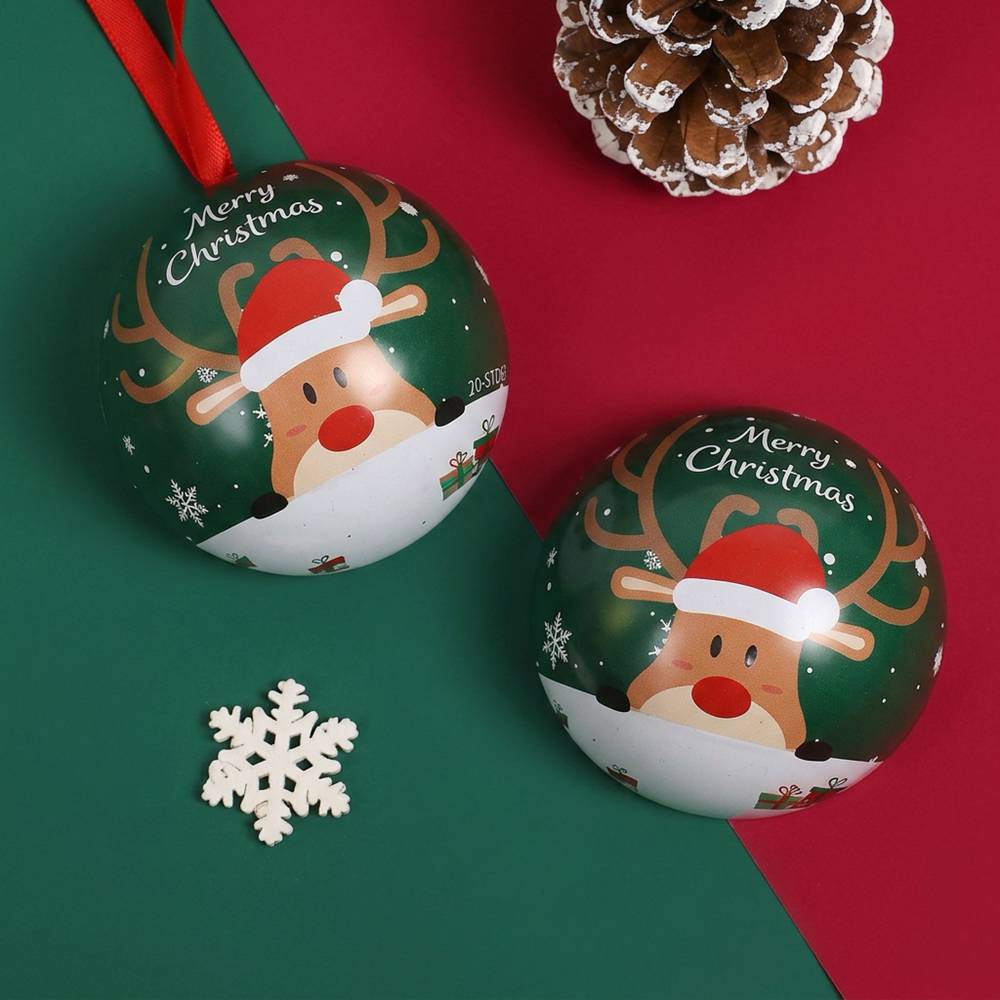
Christmas Ball Tins: Specify Hanging and Pack Parts
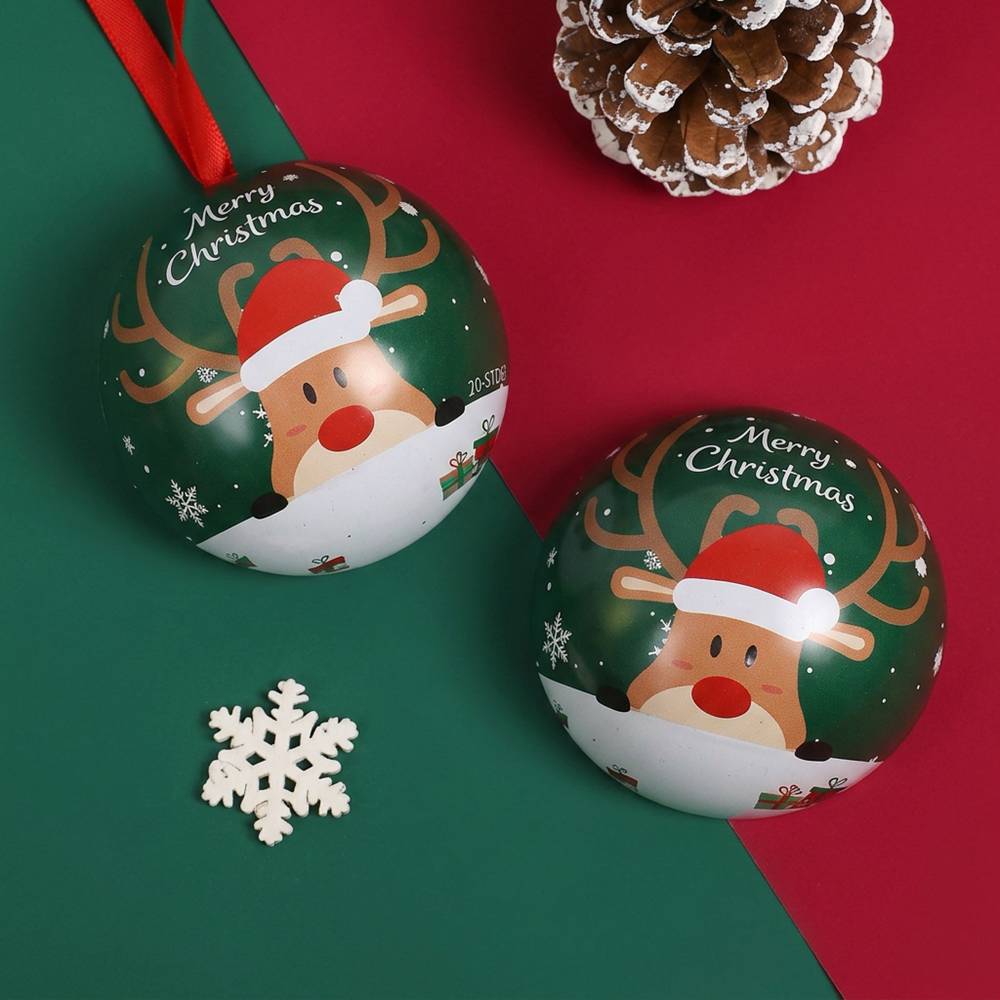
For a Christmas ball tin RFQ, list the parts supplied with each unit: the tin sections, hanging ribbon or loop, any insert and the selling pack. Identify the selected artwork and orientation. Ask the supplier to distinguish included components from styling props, then approve a complete sample rather than a decorated exterior alone.
Seasonal catalogue photographs combine the package, hanging ribbon and decorative props in one scene. A retailer may read that scene as a complete product set while a supplier quotes only the tin. This guide focuses on the contents of a wholesale Christmas ball tin offer, so the buying team can compare like-for-like configurations before ordering.
Describe the item as a set of supplied parts
Start with Rongchang’s Christmas ball tin reference and identify the chosen design. Ask the supplier to itemize the offered unit, including how its sections open and close. A spherical exterior can look complete in a photograph without showing all the parts a packing team needs to handle.
Make a separate included-parts list. Name the hanging element, any inner support or insert, and any retail wrapping only when the offer confirms them. Mark decorative objects in the photograph as reference props unless their supply is explicitly agreed. This avoids turning a pinecone, background decoration or display arrangement into an unintended order requirement.
- Tin sections and opening method
- Hanging ribbon or loop, fitted or loose
- Artwork reference and display orientation
- Insert and retail pack only if confirmed
Clarify the hanging presentation
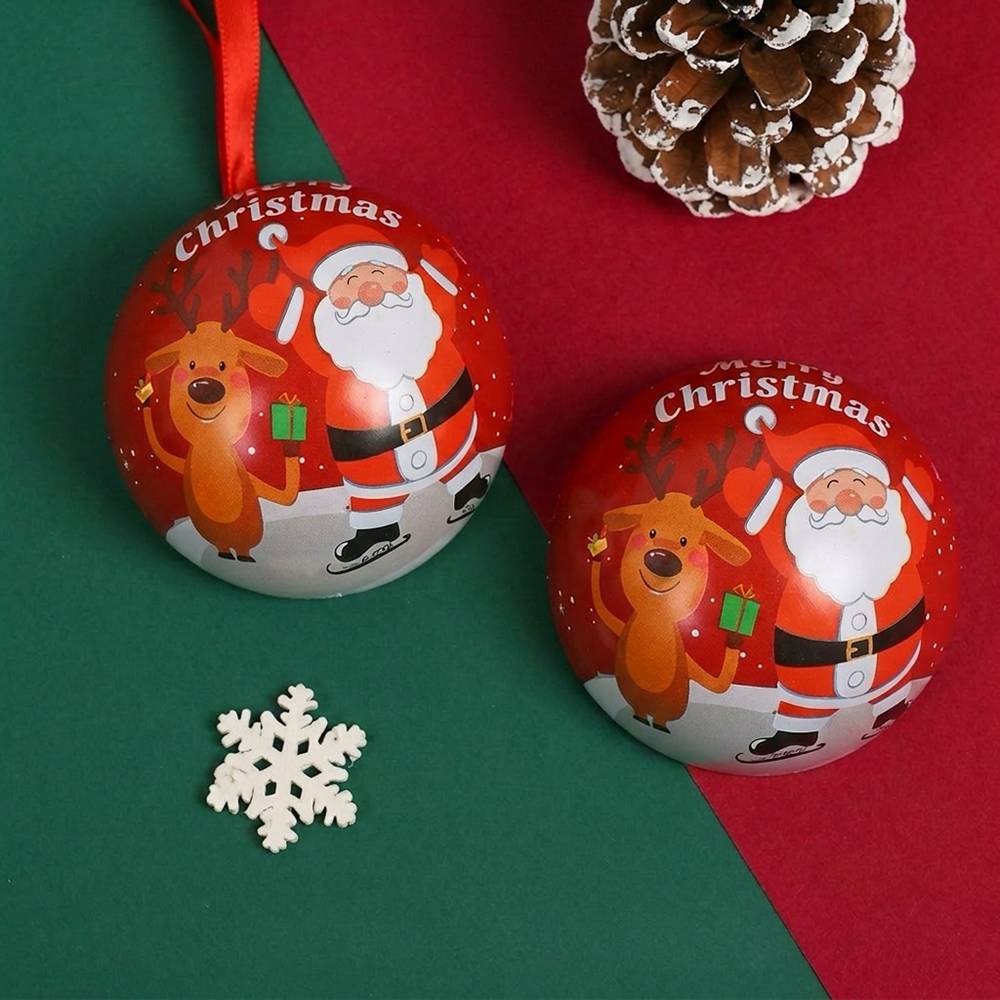
The catalogue images show ribbons associated with the ball tins. Confirm the ribbon or loop version proposed for the selected item and how it is attached. Ask whether it arrives fitted or loose, and whether the packing team needs to complete any assembly. The answer affects both receiving counts and the work required before retail display.
If the buyer plans to hang a filled package, explain the intended contents and display arrangement to the supplier. Request suitable evaluation of that configuration where needed. A ribbon visible in a photograph is an appearance reference; it does not establish a hanging load, suitability for every display fixture or any particular safety classification.
| Offer element | Ask the supplier | Keep as evidence |
|---|---|---|
| Hanging element | Which version is included and how is it supplied? | Complete assembled sample and parts list |
| Artwork | How is the design oriented when displayed? | Approved front and assembled views |
| Selling pack | One item or a specified mixed-design set? | Itemized design and component quantities |
Fix artwork orientation across the opening
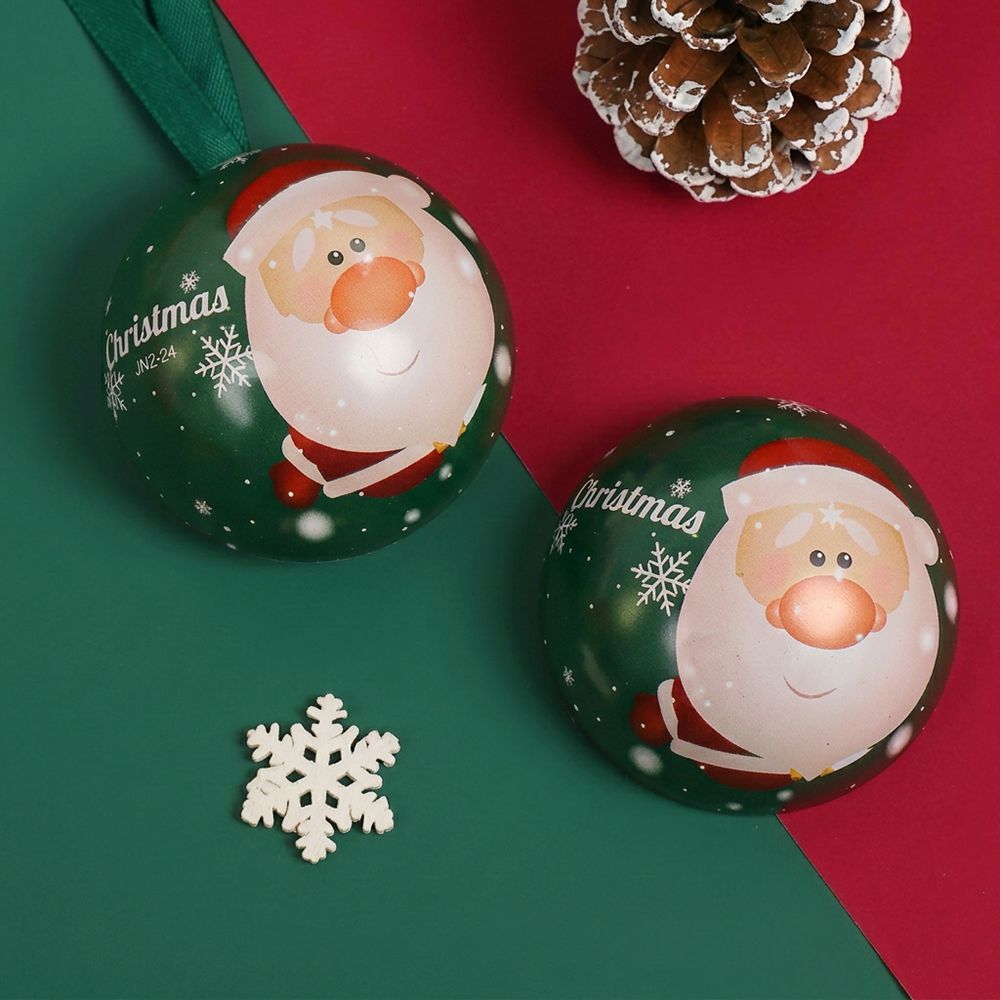
Give each artwork its own reference, including the intended front view and the direction of the hanging element. A holiday illustration may look correct while lying on a table but appear rotated when suspended. Ask for a complete sample or a clear assembled view that shows the artwork in the planned display position.
Confirm how the design relates to the opening line and the separate tin sections. State which panels or sides need to carry the chosen artwork and ask the supplier to identify any layout restrictions. Treat a new design or revised orientation as an approval change, even when the basic ball shape remains the same.
Define the filling arrangement separately
Tell the supplier what the package is intended to hold and whether those contents have their own primary wrapping. Request usable-space information for that arrangement and check access through the actual opening. A nominal outside size does not establish whether the intended gift can be inserted, removed or presented as planned.
If an insert is required, describe its purpose and ask whether it is offered as part of this item. Do not assume the tin is supplied with an internal holder simply because the finished display looks orderly. Direct food contact, moisture protection and other specialized requirements also need separate evidence; festive imagery does not confirm those properties.
Make the selling unit clear in the offer
Specify whether the quotation is for an individual ball tin, a coordinated set or another confirmed retail pack. For mixed artwork, itemize the quantities by design rather than requesting an undefined assortment. Keep the component list and artwork list together, so a change to ribbon or packaging cannot become hidden inside a general seasonal description.
Before approval, compare a complete sample with the supplier’s written parts list. Keep a photograph of the assembled item and a record of any loose components. Repeat orders should cite the same item and artwork revisions. If the proposed pack changes, update the quotation reference before treating the commercial terms as directly comparable.
Frequently Asked Questions
Are all photographed decorations supplied?
No assumption should be made. Ask the supplier to identify included parts and mark styling props separately. The quotation should describe the actual complete unit being purchased.
Does a ribbon prove that a filled tin can be hung?
No. Explain the intended contents and display use, then request an agreed evaluation where needed. A catalogue image alone does not establish the performance of a filled hanging configuration.
Why confirm artwork orientation?
The opening line and hanging position affect the visible front. An assembled sample helps the buyer approve the actual display direction rather than a detached artwork file alone.
Should different holiday designs share one order line?
They can be grouped commercially only if the underlying assortment is itemized. Keep an identifiable quantity for each approved design and any differences in supplied ribbon or packaging.
Use the Rongchang product range to compare packaging shapes, and the seasonal packaging article for broader planning context. Send your component list and artwork references through Rongchang contact. More procurement guidance is in the packaging blog.