
Paper Gift Box Samples: Fix the Closure Reference
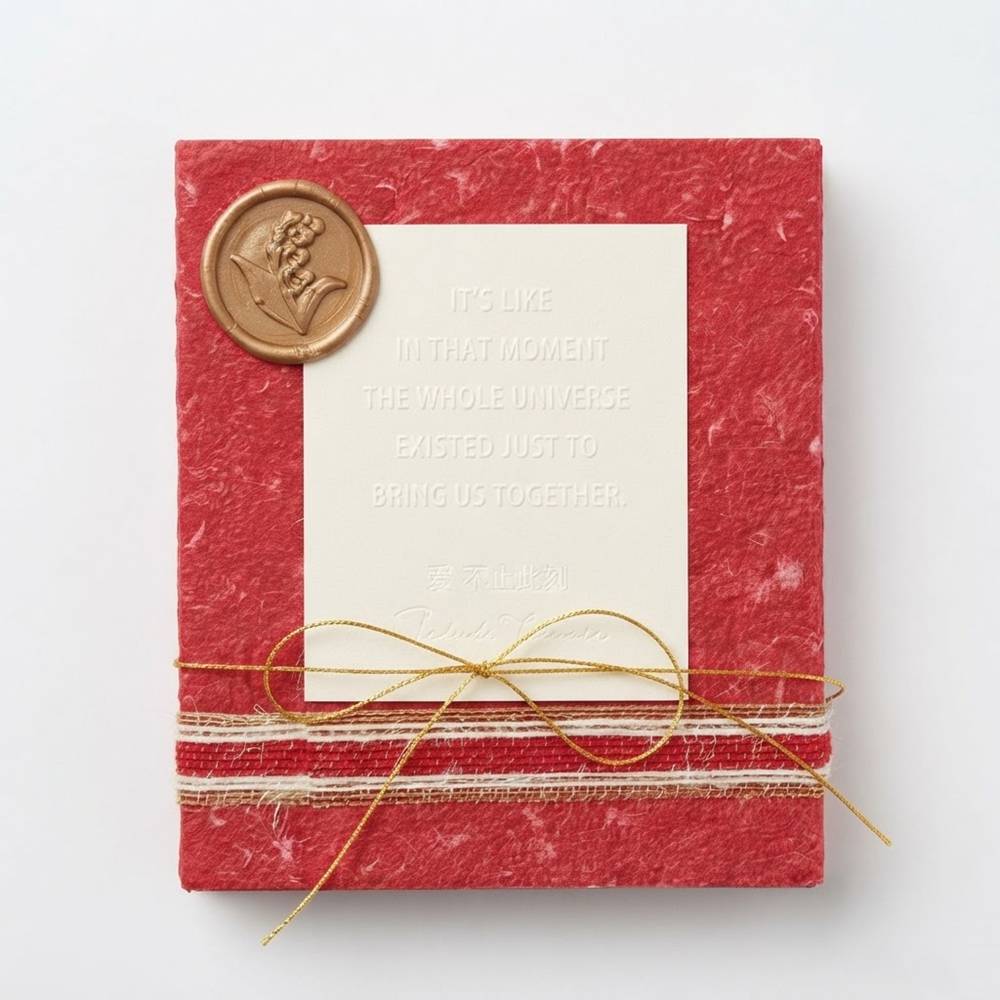
A textured paper gift box sample should identify its box structure and every decorative or closing component separately. Record the button, cord, ribbon and card arrangement, then ask which parts actually secure the box. Compare the complete supplied sample with a component sheet; similar colors do not establish the same closure or presentation.
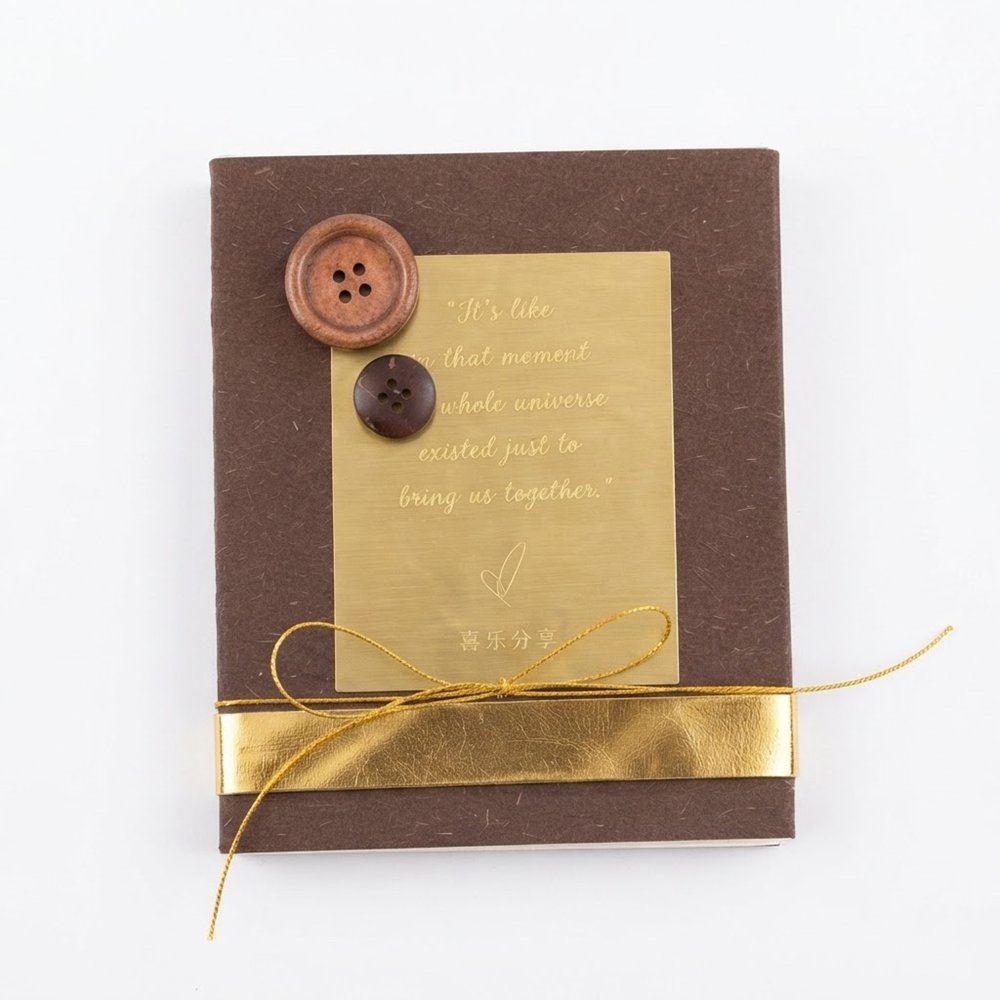
A decorative button may be a focal point on a gift box without performing the closing function a buyer expects. A gallery can also show different ornaments under one product listing. This guide gives packaging buyers a sample approval method for the square textured paper gift box with button closure family, with particular attention to the exact version supplied.
Select one gallery version as the reference
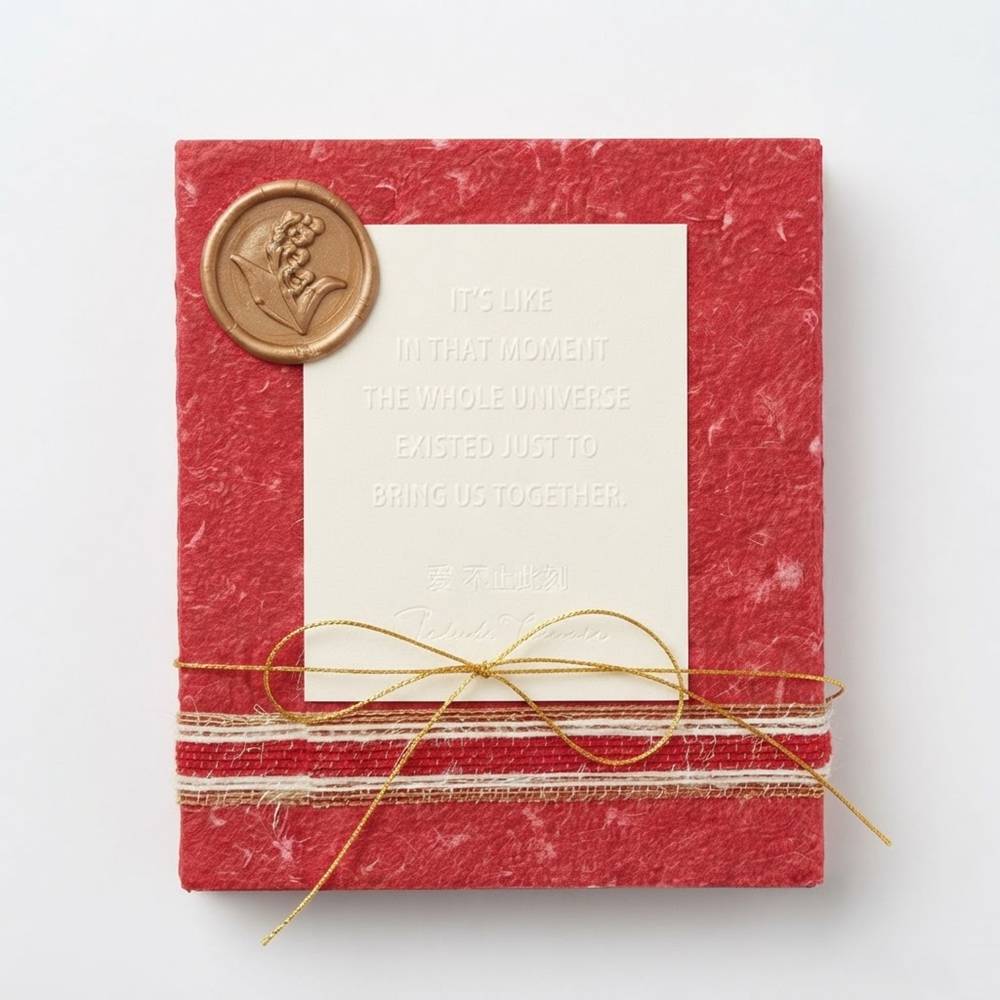
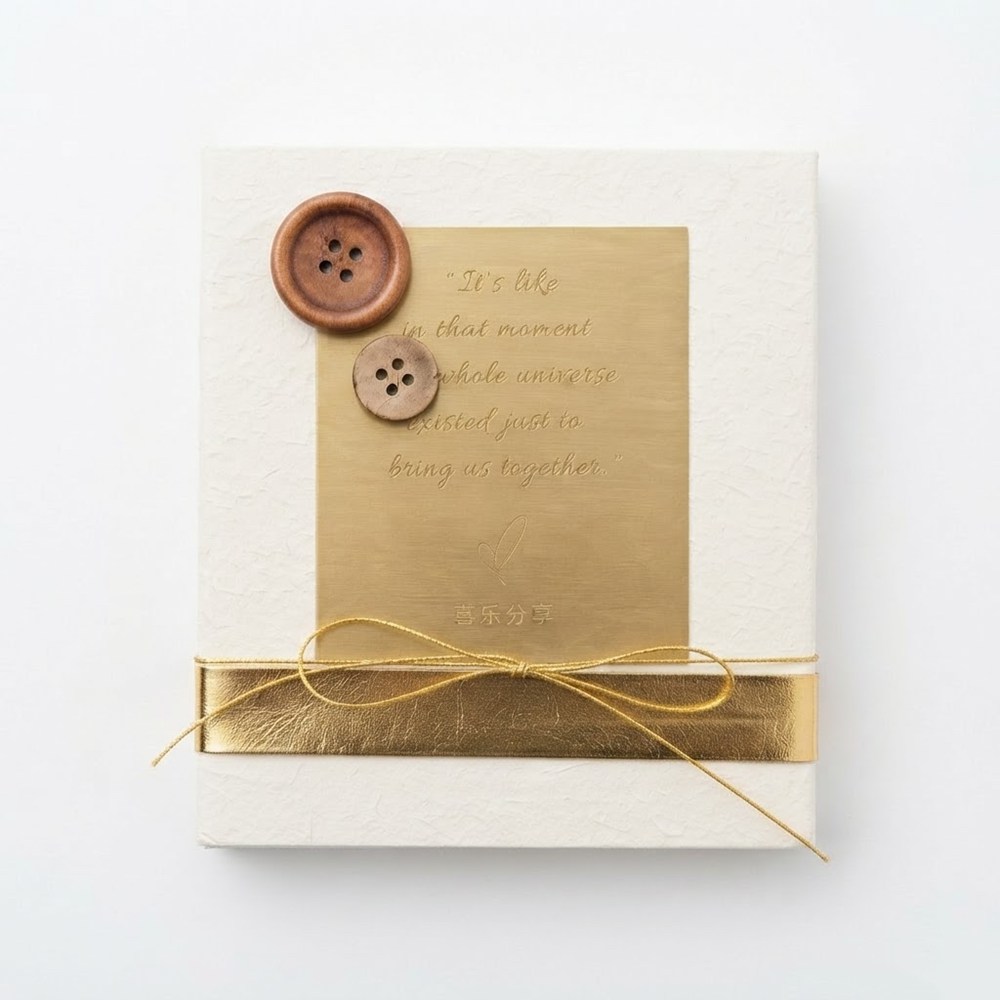
Rongchang’s textured paper gift box listing presents several exterior treatments. The gallery includes button arrangements as well as a red presentation with a seal-style ornament and different wrapping details. Use a specific selected photograph and sample code, rather than treating every image as an identical configuration in another color.
Ask the supplier which version the quotation describes. Record the box color, card appearance and decorative arrangement together. If the buyer wants elements from different gallery versions combined, describe that as a proposed change requiring confirmation; it should not be inferred from sending the product page link alone.
- Selected gallery photograph and sample code
- Box opening method and usable interior
- Decoration versus functional closing parts
- Card artwork and complete assembly reference
Separate the box structure from its decoration
Request a clear explanation or sample demonstration of how the box opens and closes. Identify the lid, base or other structural parts and review them without assuming the visible button operates as a fastener. A ribbon across the front can be decorative, functional or both; the supplier should confirm its intended role for the selected version.
Review the contents fit with the complete wrapping arrangement in place. Ask for usable internal dimensions and identify any required insert separately. An exterior presentation photograph does not show how much space remains inside or whether a gift can be removed conveniently after the cord and wrapping are opened.
| Part of the sample | Decision to document | Do not infer |
|---|---|---|
| Button or ornament | Appearance, attachment and actual function | That every decorative piece is a working fastener |
| Cord and ribbon | Selected arrangement and supplied assembly state | That all versions use the same wrapping |
| Card and box | Artwork position, overlap and physical reference | That one file shows the assembled presentation |
Make a component sheet that can be checked
List the button or ornament, cord, ribbon and card as separate entries. For each, identify the selected appearance and whether it arrives attached, tied or loose. Confirm the quantity per complete box. A sample can make an arrangement look obvious while leaving the purchasing team uncertain about which assembly tasks belong to the supplier.
If assembly will take place at the buyer’s warehouse, ask for the intended sequence and a reference example. Clarify the orientation and attachment position of each part. Record any tooling or extra consumables the buyer expects to need, and ask the supplier to confirm the proposed method before approving the packing arrangement.
Approve the card and visible surface together
Review the card artwork on the selected surface and with the planned decorations in position. A button or cord may overlap part of the card, so an artwork file alone cannot show the entire finished presentation. Mark any wording or logo area that must remain visible and request a complete sample view for confirmation.
Use the buyer’s authorized artwork and identify the approved file revision. Catalogue lettering and decorative phrases are examples of existing presentation, not instructions to copy them into every order. Where a finish or paper texture is important, retain the physical sample as an appearance reference instead of describing it only with broad terms such as premium or natural.
Keep the packing format tied to that version
Ask whether the selected box is offered assembled or in another confirmed packing form, and which decorative parts are supplied with it. Do not assume it can be shipped flat or nested merely because it is made from paper. The supplier should describe the actual proposed packing method and the resulting supplied configuration.
Before release, compare the complete sample, component sheet and quotation line. Keep any agreed changes visible in a new revision. At receiving, check the box and its accessories against that same record, especially when several colorways share similar outer cartons. A stable reference makes a missing card or substituted ornament easier to identify and discuss.
Frequently Asked Questions
Does a visible button necessarily close the box?
No. Ask the supplier to demonstrate the actual closing method for the selected version. Distinguish decorative ornaments from functional closing parts in the approved component sheet.
Can different gallery photos be treated as color options?
Only after confirming the configuration. Buttons, ornaments, ribbons and card treatments may differ as well as color, so identify one complete version or describe the requested combination explicitly.
Should artwork be reviewed before or after assembly?
Review the artwork file and then the complete presentation. A card can be partly covered by buttons, cord or wrapping, so the assembled sample answers an additional visibility question.
Is a paper gift box always supplied flat?
No. Request the proposed packing format for the selected structure and decorative arrangement. Confirm which parts arrive assembled or loose instead of assuming a flat-pack option is available.
Review the Rongchang packaging catalogue and custom packaging guide for wider product planning. Send the selected gallery reference and component questions through Rongchang contact. Further purchasing topics are available in the packaging blog.